Synedica Retatrutide 40mg Pen
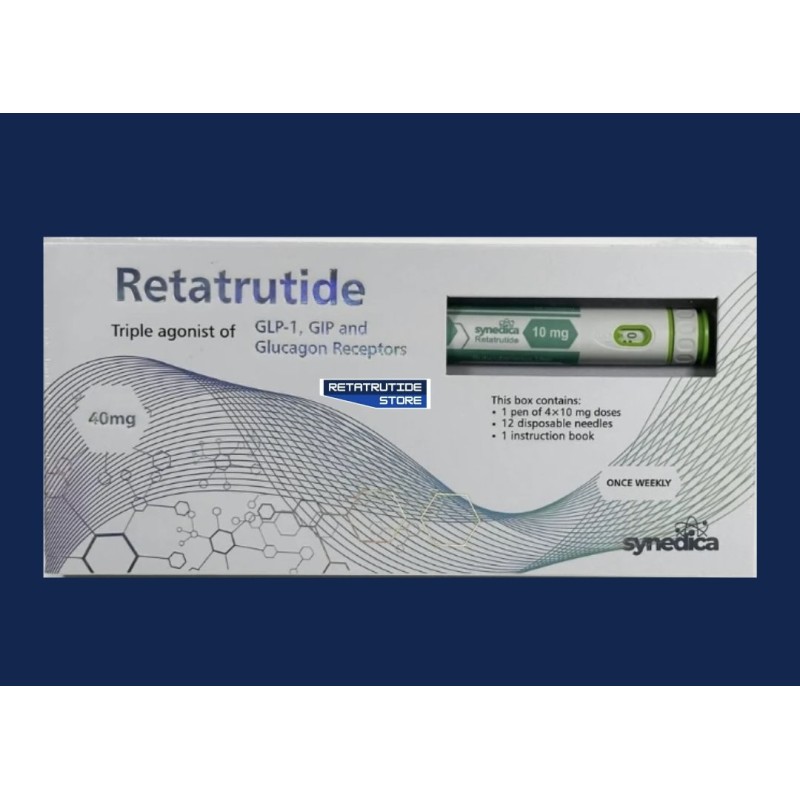
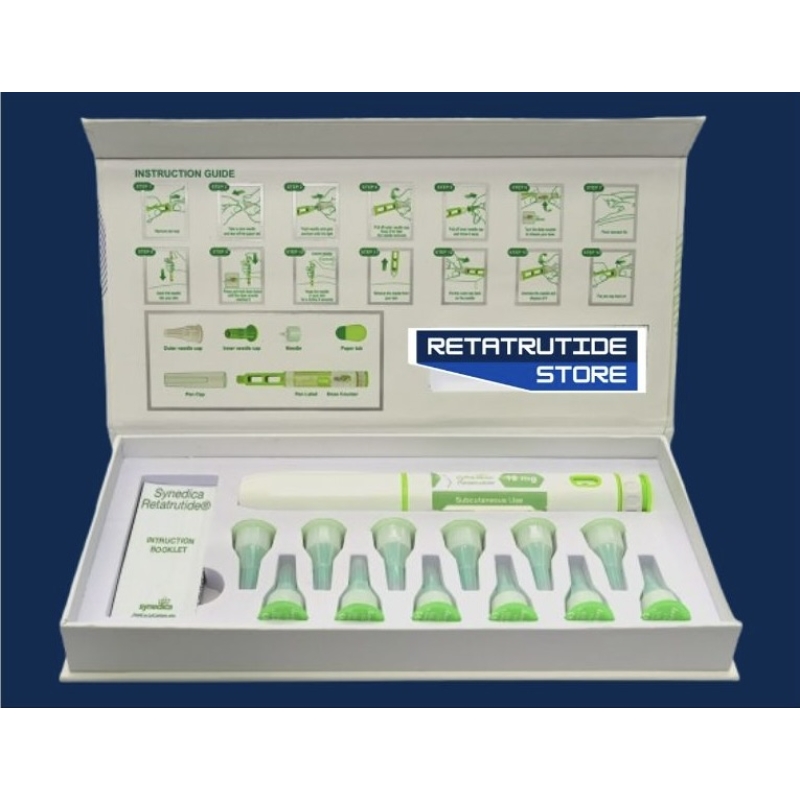
Synedica Retatrutide 40mg Pen
- Brand: Synedica
- Product Code: Synedica Rretratutide 40mg Pen
- Availability: In Stock
-
£175.00
Synedica Retatrutide 40mg Pen | Premium Triple Agonist Research Peptide
Synedica Retatrutide 40mg Pen is a high-purity research peptide designed for controlled laboratory investigation of multi-receptor metabolic signaling pathways. Retatrutide is widely referenced in scientific research due to its interaction with GLP-1, GIP, and glucagon receptor systems, making it a subject of interest in studies exploring endocrine communication, metabolic regulation, and integrated hormonal responses.
The compound is supplied in a prefilled 40mg pen format, supporting structured laboratory workflows and consistent handling during experimental procedures. Synedica peptides are manufactured according to strict quality standards to support research environments where purity, traceability, and analytical consistency are essential.
This formulation allows researchers to explore how triple-receptor agonist compounds may influence complex metabolic signaling networks and receptor interactions in controlled experimental models.
Compound Information
-
Compound: Retatrutide (Triple Receptor Peptide Analog)
-
Brand: Synedica
-
Total Content: 40mg per pen
-
Format: Prefilled laboratory pen device
-
Purity Specification: ≥ 98%
-
Classification: Research material for laboratory use
Key Research Applications
Researchers frequently study Retatrutide in experimental models involving metabolic and endocrine pathways.
Common research areas include:
-
Multi-receptor interaction studies
-
GLP-1 receptor signaling investigations
-
GIP and glucagon receptor pathway analysis
-
Hormone-mediated metabolic communication
-
Nutrient response and metabolic regulation models
-
Pancreatic and hepatic pathway exploration
-
Integrated endocrine signaling research
The peptide’s triple receptor activity allows investigators to evaluate how simultaneous receptor modulation may influence complex metabolic processes.
Delivery Format Advantages
The Synedica Retatrutide 40mg Pen format supports structured research workflows by providing:
-
Controlled compound delivery
-
Consistent laboratory handling
-
Repeatable experimental procedures
-
Improved dosing precision in laboratory protocols
This format is often preferred in research environments requiring standardized compound preparation and handling.
Storage and Handling Guidelines
To maintain peptide integrity during laboratory use:
-
Store under refrigerated laboratory conditions
-
Protect the material from direct light exposure
-
Avoid environmental fluctuations during storage
-
Follow institutional handling protocols and documentation standards
Experimental outcomes may vary depending on laboratory methodology and research design.
Manufacturing and Quality Standards
Synedica research materials are produced using controlled manufacturing processes designed to support:
-
Compound identity verification
-
High purity peptide standards
-
Batch consistency across research supply
These standards help ensure materials meet the expectations of professional research environments where analytical reliability is critical.
Research Use Only
Synedica Retatrutide is supplied strictly for Professionals , laboratory research, analytical, or educational purposes.
FAQ
What is Synedica Retatrutide used for in research?
Retatrutide is studied in laboratory settings for its interaction with GLP-1, GIP, and glucagon receptor pathways within metabolic research models.
What makes Retatrutide different from other peptides?
Retatrutide acts on three receptor pathways simultaneously, making it a compound of interest in research exploring complex metabolic signaling networks.
How should Retatrutide peptides be stored?
Peptides should typically be stored under refrigerated laboratory conditions and protected from environmental exposure.
Explore other Retatrutide peptide formulations including Remedium , Alluvi
Tags: Synedica Retatrutide 40mg Pen, Retatrutide, Retatrutide 40mg, Synedica Retatrutide pen, Triple agonist, GLP-1 research, GIP research, Glucagon researchMetabolic research,